
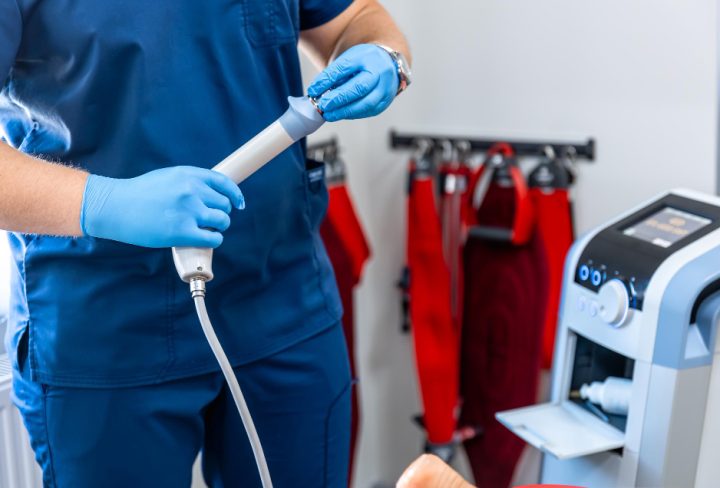
What is Laser Sphincterotomy?
Laser sphincterotomy is a modern medical procedure. Doctors use a focused laser to make a small cut in the anal sphincter muscle. This muscle controls the opening and closing of the anus. The laser sphincterotomy procedure helps treat conditions like anal fissures, which are small tears in the lining of the anus. Many people choose this treatment because it is less invasive than traditional surgery. In fact, the benefits of laser sphincterotomy include less pain and a quicker recovery.
How is the Laser Sphincterotomy Procedure Performed?
First, your doctor will explain the steps and answer your questions. Next, you will receive local or general anesthesia to keep you comfortable. Then, the doctor uses a special laser to make a tiny cut in the sphincter muscle. This cut helps the muscle relax, which allows the fissure to heal. The laser seals blood vessels as it works, so there is usually less bleeding. Most procedures take less than 30 minutes. Afterward, you can often go home the same day.
Who Needs Laser Sphincterotomy?
Doctors may suggest laser sphincterotomy for people who have:
However, not everyone is a good candidate. For example, people with certain health problems or infections may need other treatments. Always talk to your doctor to see if this procedure is right for you.
Benefits of Laser Sphincterotomy
There are many benefits of laser sphincterotomy. Some of the main advantages include:
Because of these benefits, many patients prefer the laser sphincterotomy procedure over older methods.
Risks and Possible Side Effects
Like any medical procedure, laser sphincterotomy has some risks. Although problems are rare, you should know about possible side effects. These may include:
Most side effects are mild and go away quickly. However, if you notice heavy bleeding, fever, or severe pain, contact your doctor right away. The CDC and peer-reviewed studies report that serious problems are uncommon when the procedure is done by a skilled surgeon.
Recovery and Aftercare Tips
After laser sphincterotomy, you can usually return home the same day. To help your body heal, follow these tips:
Most people feel better within a week. However, always follow your doctor’s advice for the best results.
Frequently Asked Questions
In summary, laser sphincterotomy is a safe and effective option for many people with chronic anal fissures. If you have questions or think you may need this procedure, consult a qualified surgeon to discuss if laser sphincterotomy is right for you.